ARTISTS

The TAKUMIBITO Collective

In the world of Kyoto Kogei, it is customary to spend over twenty years
honing one's vision and technique, only to emerge as a "newcomer" after forty.

Yet, on rare occasions, a special talent emerges—an individual who, despite their youth, possesses both breathtaking technical mastery and an extraordinary aesthetic sense. These artisans generate a level of beauty and value that defies their experience, captivating all who see their work and becoming leaders of the Kyoto kogei scene.

The artists of TAKUMIBITO are these rare, gifted individuals who have established themselves as representatives of Kyoto at a young age. By transcending their individual fields, these exceptional talents unite under the name of TAKUMIBITO to create new, unprecedented value.

Fields of Expertise

Urushi Kogei
漆工芸

URUSHI Kogei

Urushi (lacquer) is a sap of Urushi tree. URUSHI kogei is a technique that is regarded as one of Japan's leading crafts, culture. URUSHI technique developed in various parts of Japan has its characteristics along with each culture.

Eventually, attention gathered from the world to its beauty and performance, it was regarded as one of Japan's leading kogei.
The fellowship of URUSHI with those who exceeded 5000 years of history, and Kyoto's URUSHI kogei cultivated over 1300 years in its history.
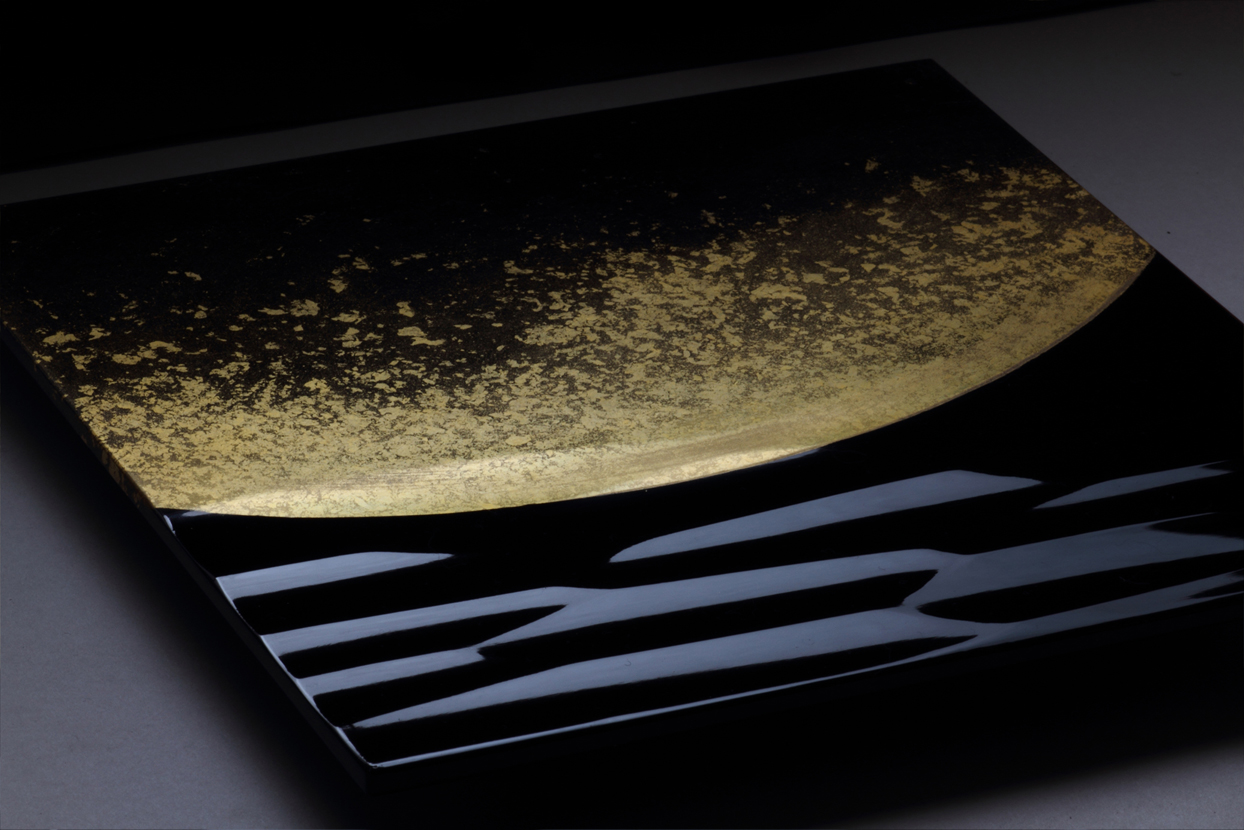
Black and vermillion serene and glossy paint : Lacquered URUSHI
A design drawn by gold powder or silver powder : MAKIE
The shining of shellfish that incorporates the light of the sea into its body : RADEN

Always incorporate grace from nature into its beauty, and constantly expressing the Japanese mind while changing with the times URUSHI kogei.
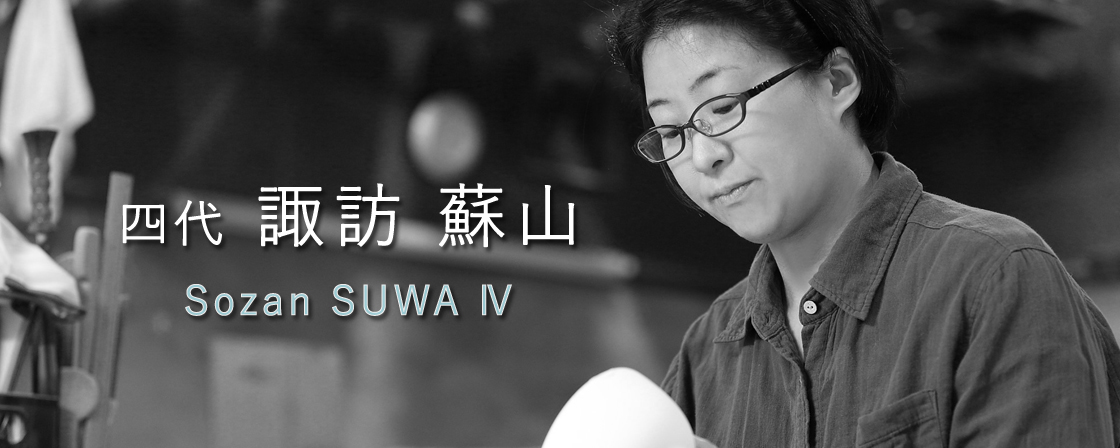
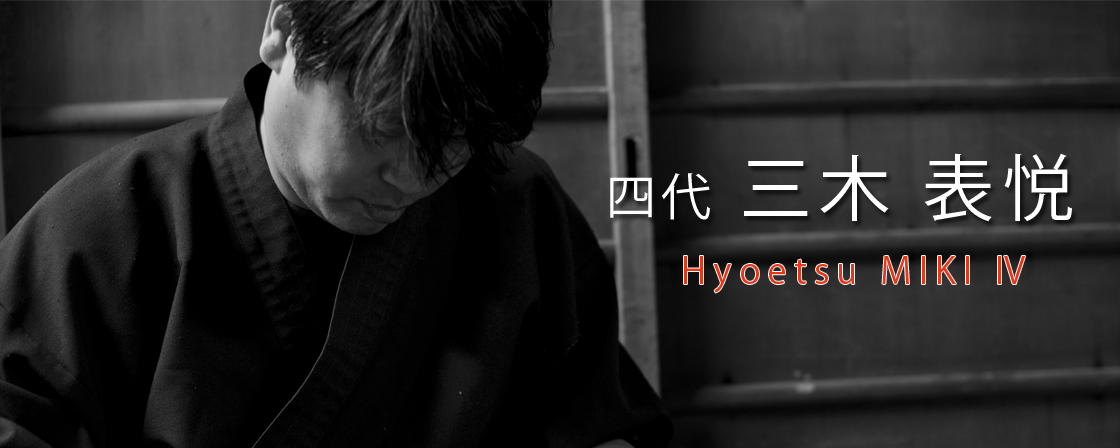
Combine use and beauty, grow up with people, beautifully aged. Creating such a URUSHI ware is one of the goals of URUSHI artist. (Hyoetsu MIKI IV)
Kyo-Yuzen Dyeing
手描き京友禅

KYO-YUZEN dyeing

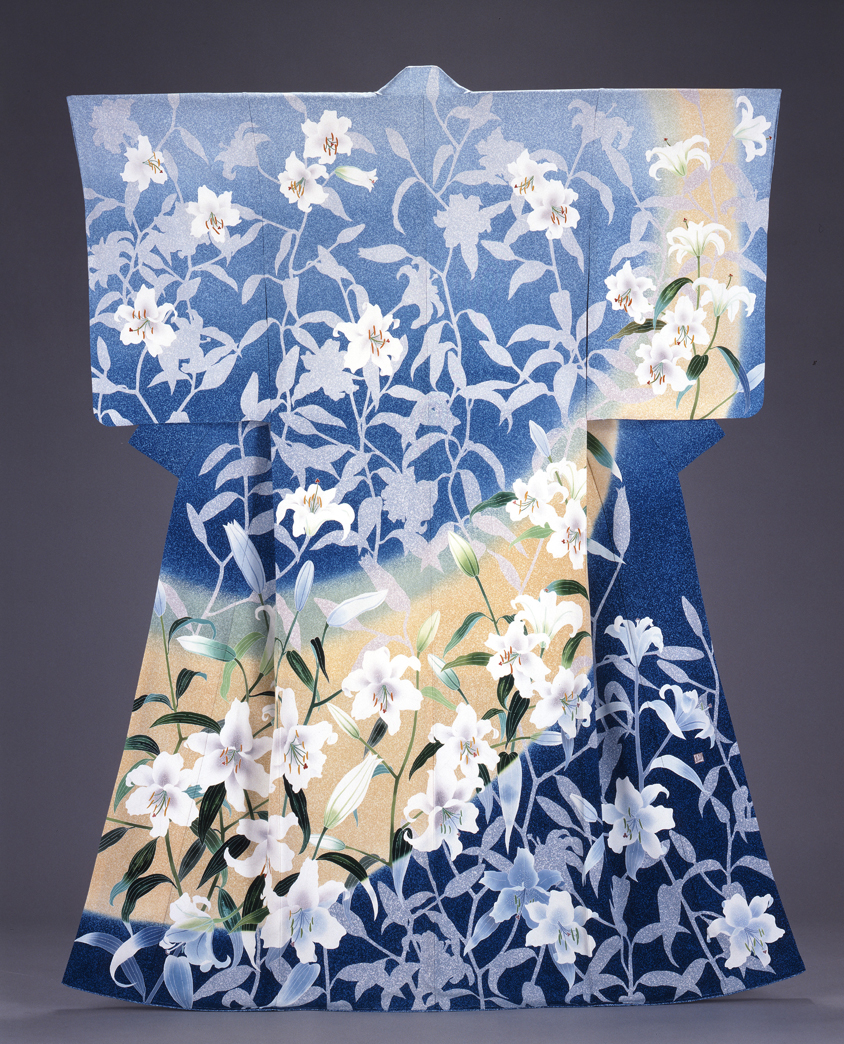
Yuzen is a pattern of dyeing born in Kyoto during Genroku era. Although techniques for dyeing cloth have been various for many years, the birth of Yuzen Dye has made it possible to express brilliant and variegated expressions.

There are various techniques for dyeing kimono, such as Yuzen, squeezing dye, stencil dyeing, rouketsu dyeing. Among them, hand-painted Yuzen is a dyeing technique that Japan is proud of, which draws and dyes all the processes like paintings with delicate and precise manual work.

There are about 20 or more steps until a single kimono is completed from a bolt of white cloth. Especially important in Yuzen is the placement of the thread glue and the thread glue acts as a breakwater so that colors can not blur and blend even if the dyestuff is dyed and various expressions can be made.
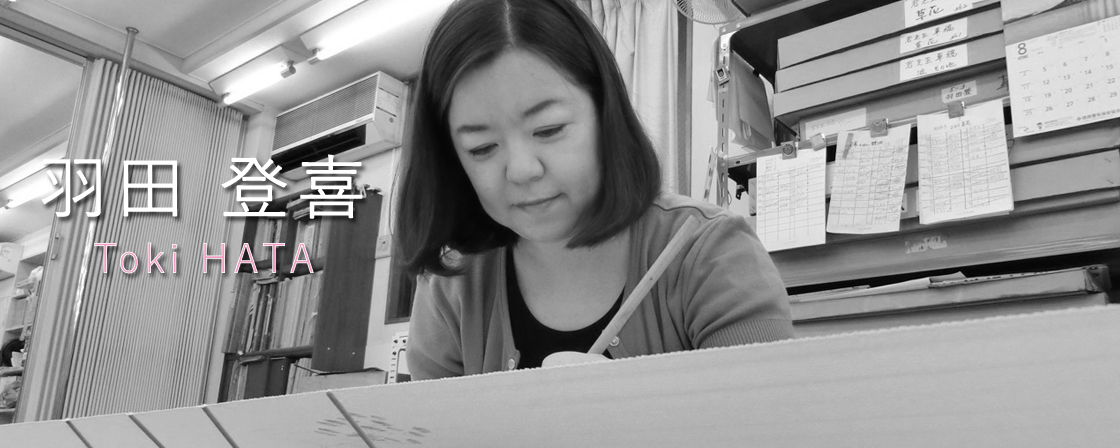
With the background of the millennium's culture, KYO-YUZEN dyeing is calm and sophisticated, the design must be brilliant and graceful.(Toki HATA)

Buddha Statues
仏像

Buddha Statues

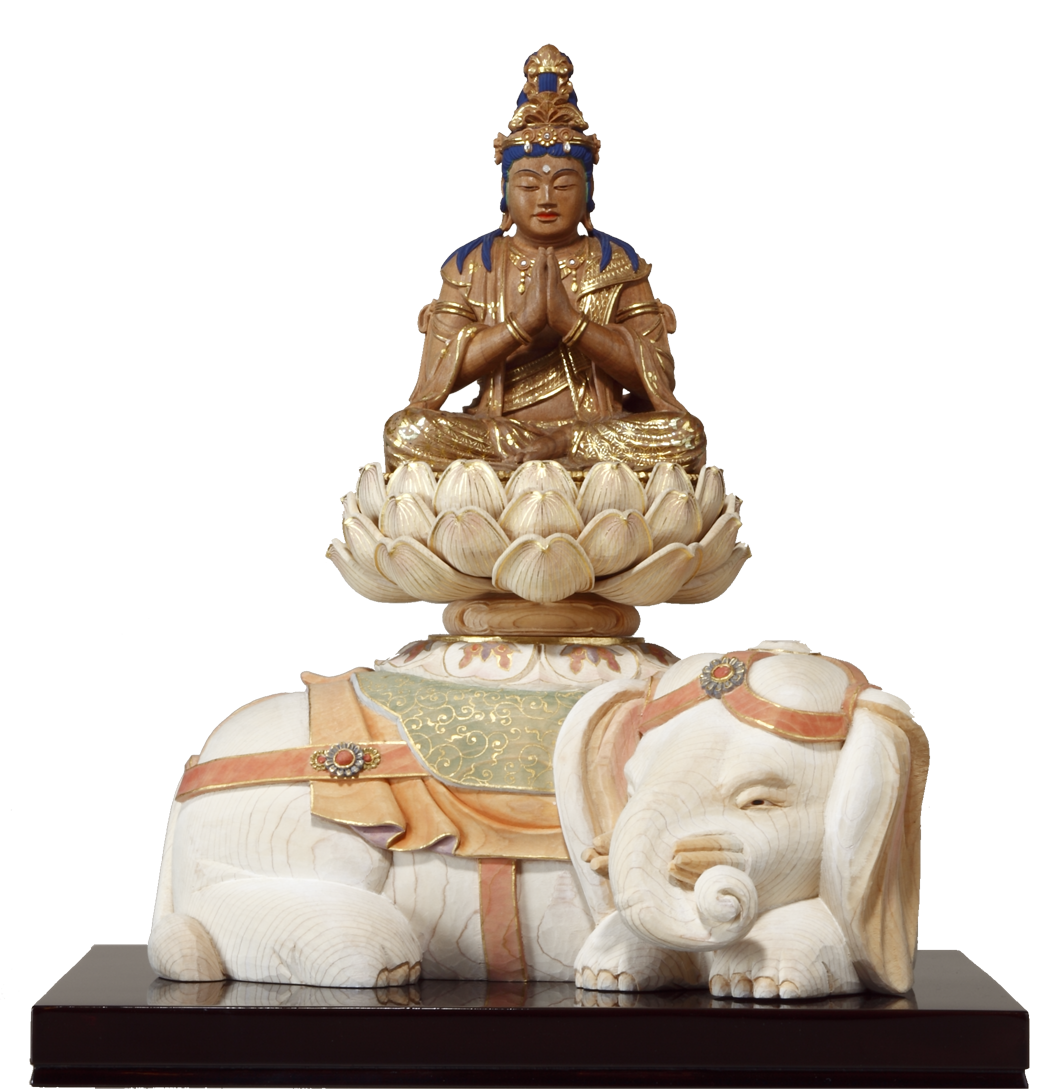
Buddha statue is a symbol that reproduces the figure as a symbol of Buddha, not originally a work of art, in that era, the state-of-the-art technology of the area, the material is devised and produced. And it was a symbol that leaders talk about wishes and thoughts.

The current Buddha statue preserves the ceremony made in the Heian era which is called a Japanese style, passed the time of over a thousand years, Buddha statue artist that era devised personal preferences from nobles, samurai favorites, people, and created Buddha statues was born. As a result of greeting the invisible Buddha from the tree, they created a beautiful and mysterious Buddha statues for future generations.

The technology developed with the Buddha statue evolved the technique of casting, engraving, plating, earth sculpture, plaster, urushi technology, gold leaf etc., gold working, coloring technology, decoration gold plating, of course, also wood carving.
Buddhism was a tradition of indispensable culture for today's crafting techniques.(Juun TOMITA)

Pottery
陶磁器

Pottery

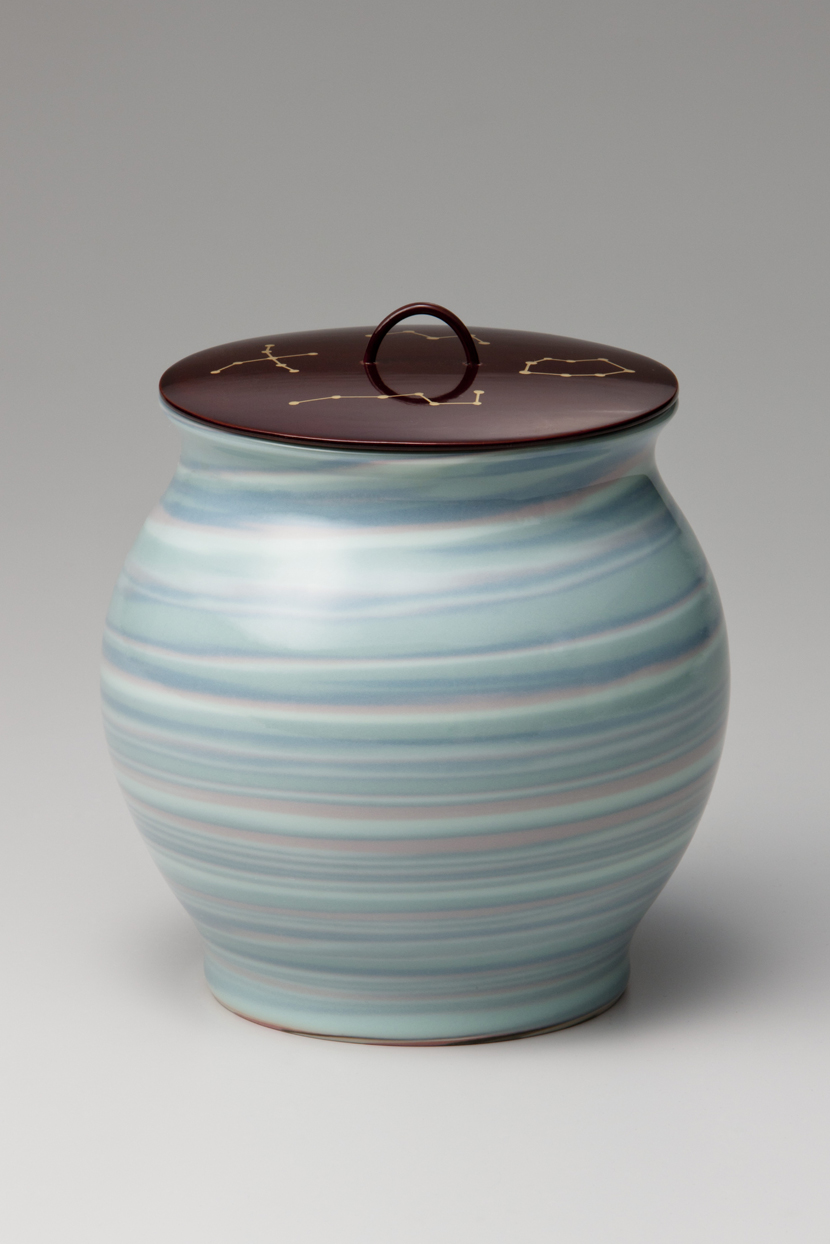
It is a collective name of pottery · porcelain made by kneading and hardening soil. The difference between pottery and porcelain is only the difference in the amount of ingredients that will become glass, often together called ceramics.

The pottery in Kyoto is called Kyo-yaki, and in recent years it is thought that production began in the early years of Keicho at the end of the 1590s.
There was also a story saying that Sen no Rikyu orderedthe six old kilns (Seto, Tokoname, Echizen, Shigaraki, Tamba Tachikui, Bizen) to make kilns in Kyoto, that is not certain. It may be a rare example that developed on an area where clay can not be taken much. At that time many was produced in Sanjo Awataguchi neighborhood. The present remaining Kiyomizu-yaki is confirmed to exist by 1643.

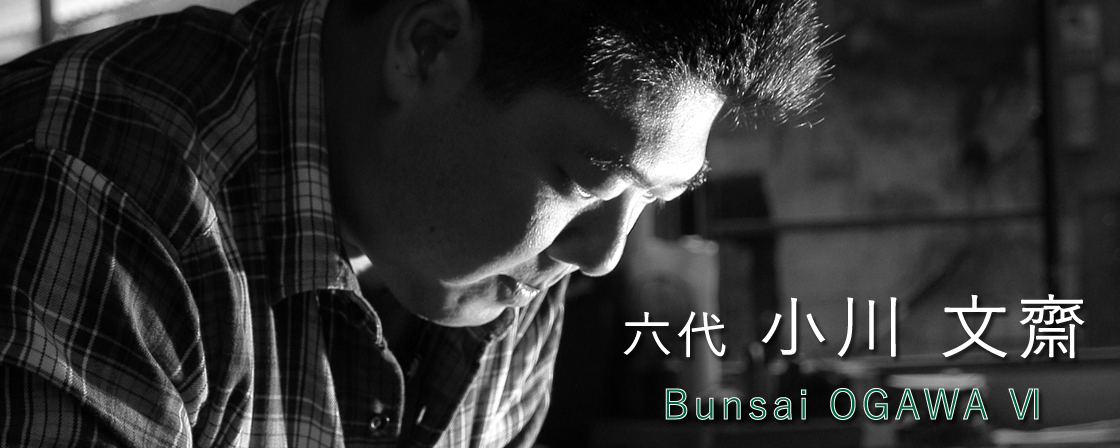
After the WW2, the idea of "Artist" from overseas (work all do alone and making pottery) was brought, the division of labor that had been done has been reduced, and now many writers and traditional division of labor are mixed. There are various kinds of Kyo-yaki, but there are many glazes and techniques besides pottery and porcelain.(Bunsai OGAWA VI)